Here is the complete layout for Episode 18, formatted in clean, structured prose without bulleted lists, preserving your exact opening statements, thesis hooks, metadata, and tags:
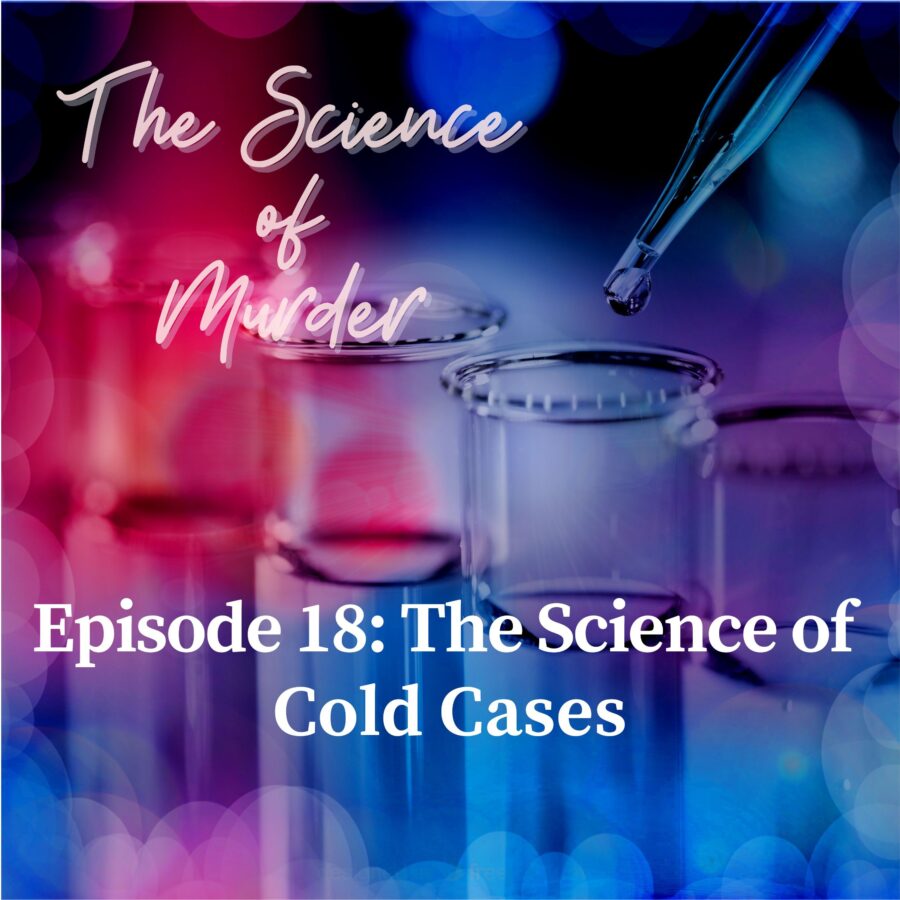
Episode 18: Stalled Data Ledgers: Investigative Exhaustion & The Architecture of Cold Cases
In the professional world of forensics, data is either active or archived. A case doesn’t turn “cold” simply because time passes; it goes cold when the investigative cycle hits a wall. This week on Science of Murder, we step away from emotional sentimentality to conduct a highly structured, technical audit of Investigative Exhaustion.
Cold cases are not just files left to gather dust—they are stalled data ledgers waiting for modern scientific rigor. In this episode of Science of Murder, we move past emotional sentimentality to conduct a technical audit of “Investigative Exhaustion” and examine how modern forensic science bridges the gap between historical cold cases and modern resolution.
We break down the four pillars of Cold Case Architecture—Evidence Viability, Chain of Custody, the High-Resolution Pivot, and the Audit of Truth. Discover how advanced technical workflows are replacing the low-resolution parameters of the 1970s and 1980s with 4K genomic analysis, 3D ballistic topography, and crowdsourced record audits.
Through five distinct forensic audits—including the biological age-progression of mass murderer John List, the mechanical ballistics mapping of the Inez Tulk case, and the complex genetic genealogy that solved the 50-year-old homicide of Mary Schlais—we explore how modern data-driven analysis strips the power away from offenders who thought they could simply wait out the clock.
Lyssa bridges the gap between archival biological storage and contemporary high-throughput analysis. We evaluate the physical degradation of historic evidence vaults, focusing on how environmental fluctuations, cross-contamination risks, and historical storage methods impact sample integrity over decades.
We examine how the modern laboratory re-extracts trace biological profiles using low-copy-number DNA methods, ultra-sensitive mass spectrometry, and high-resolution optical comparisons. By auditing real-world cases where biological and physical records lay dormant for half a century, this episode demonstrates that time does not erase a crime scene—it simply waits for the technology required to read the data.
Connect with the Bench
Instagram: @ScienceofMurder
Patreon: ScienceofMurder
Email Contact: scienceofmurder@gmail.com
Review: If this analytical deep dive challenged or sharpened your perspective, please take one minute to rate and review The Science of Murder on Apple Podcasts, Spotify, or your preferred provider to help more science-minded minds find the show.
#ScienceOfMurder #ForensicScience #ColdCase #ForensicAnthropology #GeneticGenealogy #NIBIN #Ballistics #DNA #TrueCrimePodcast #InvestigativeAnalytics #ForensicOdontology